Teacher Explains
✨ Famous Symmetrical Structures
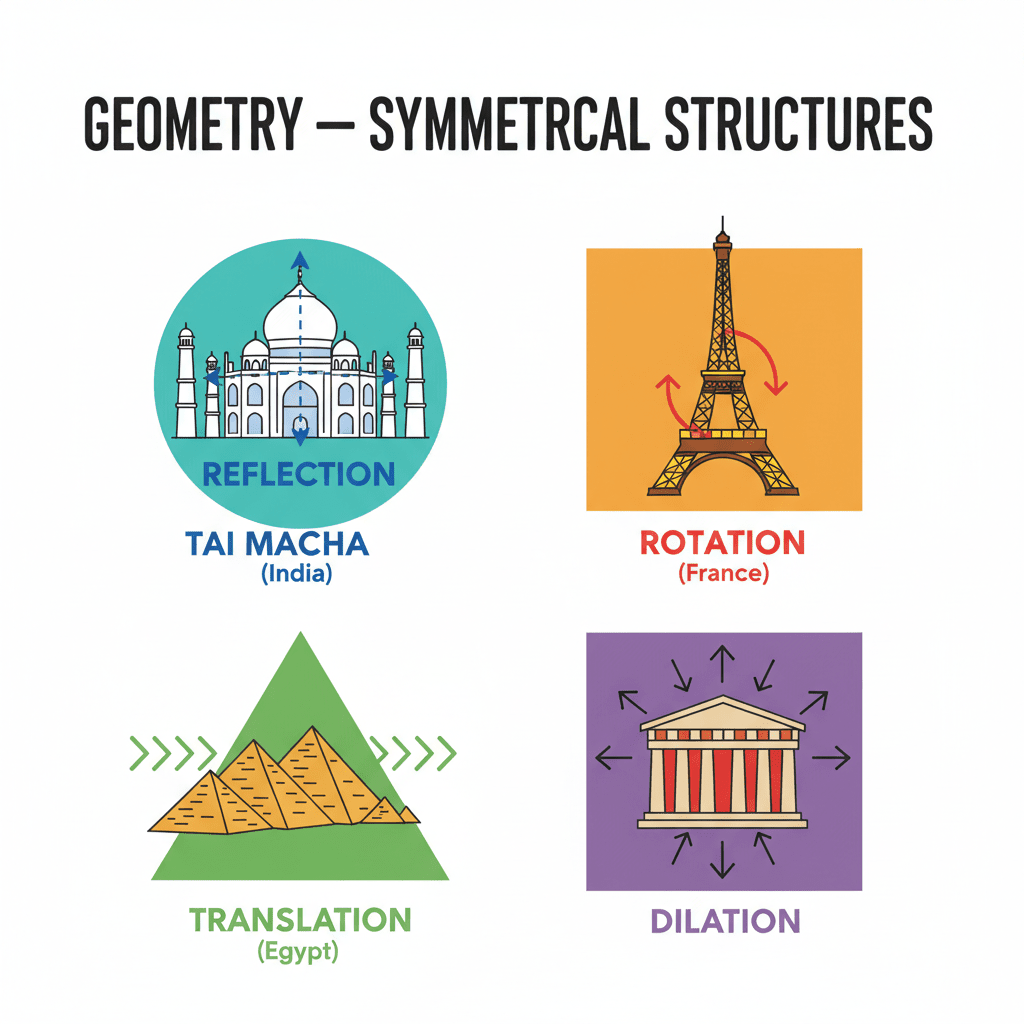
Alright everyone, let's get our brains warmed up with a fun topic: symmetry! Think about some famous landmarks like the Charminar, India Gate, or the Red Fort. What do you notice about their shapes? That's right, they all have symmetry! In your notebooks, can you quickly sketch each of these and draw where you think the line of symmetry might be?
✨ What is Symmetry?
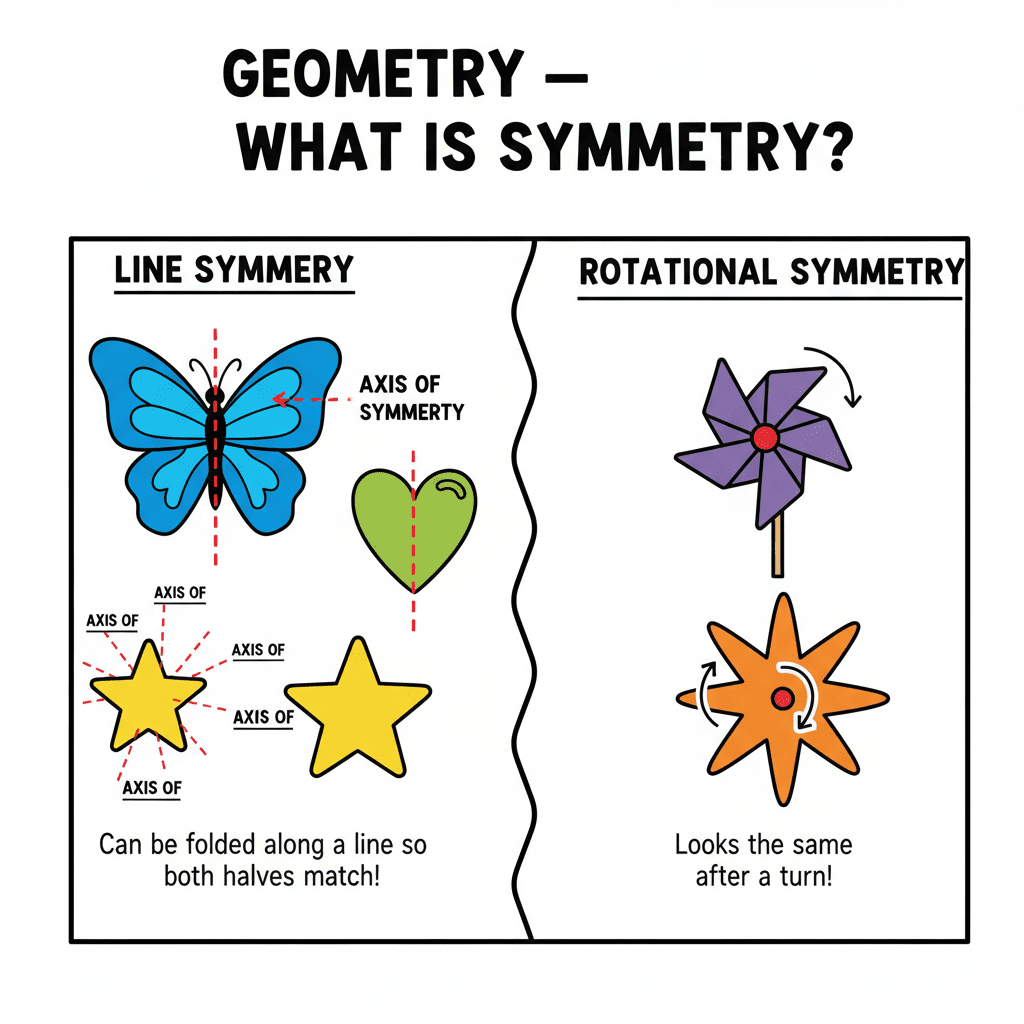
Now, let's really dig into what symmetry is all about. Imagine you could fold a shape perfectly along a line, and both halves match up exactly. That's symmetry in action! We call these symmetrical figures, because one side mirrors the other. And that imaginary line we fold along? We call that the line of symmetry.
✨ Lines of Symmetry
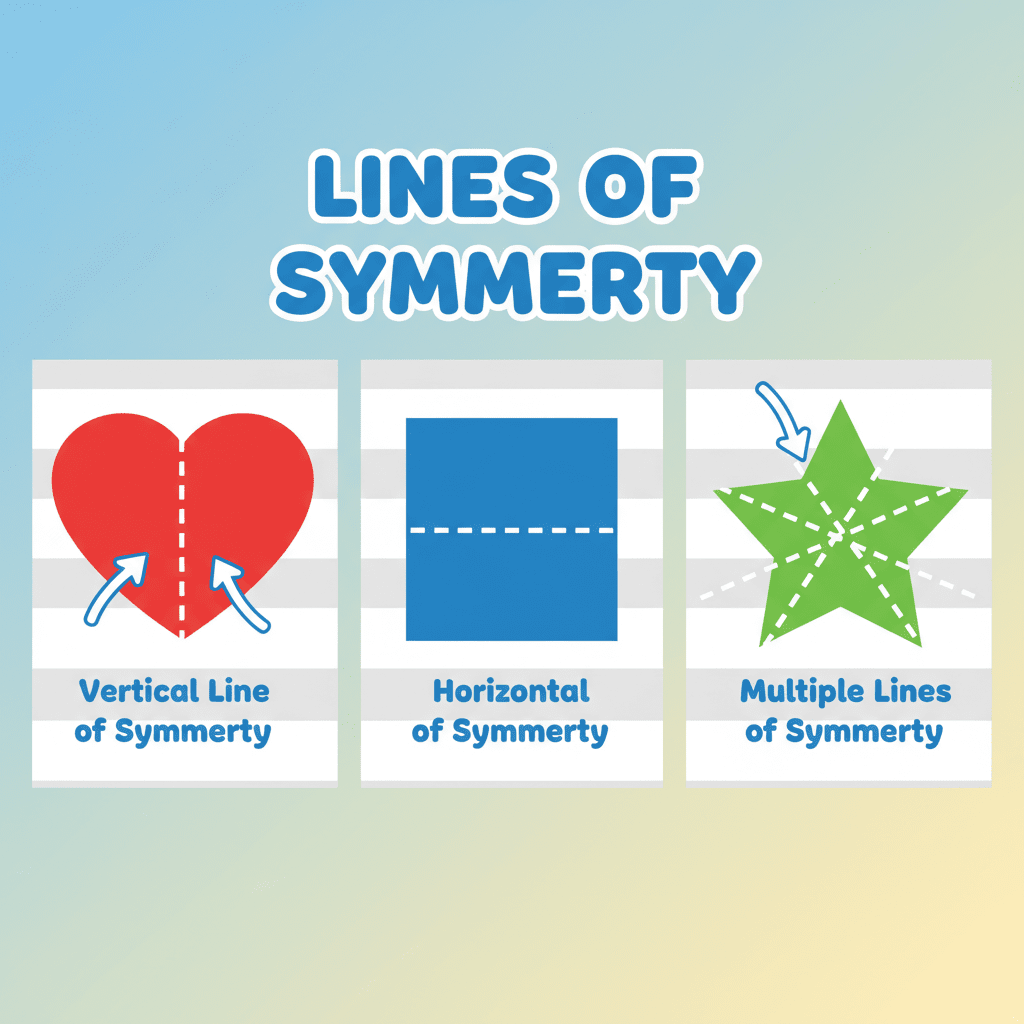
It's interesting because some shapes are simple and only have one line of symmetry. Others can be folded in multiple ways! And, believe it or not, some shapes don't have any lines of symmetry at all. Take a look at the examples in your textbook on page 42. Can you identify which ones have one line of symmetry, multiple lines, or no lines of symmetry?
✨ Symmetry in Shapes
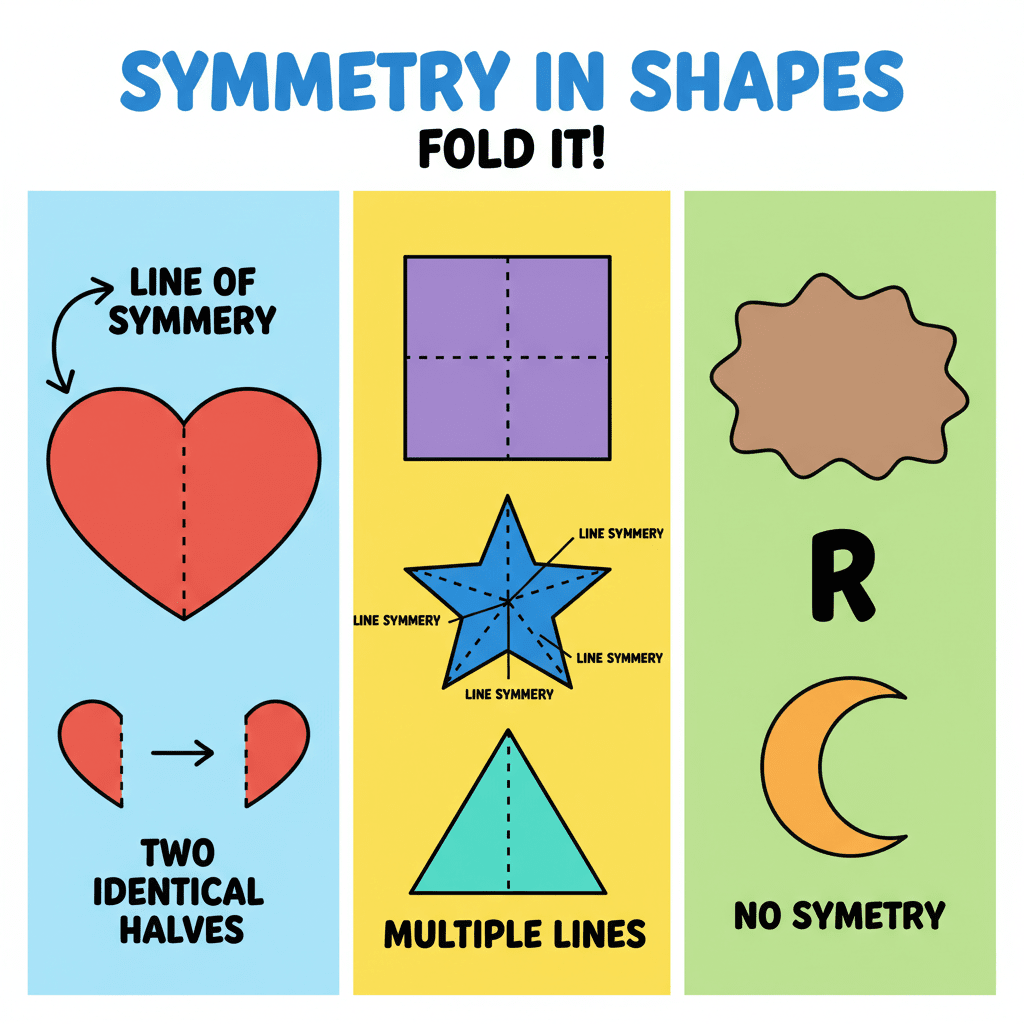
Think about letters for a second, like J, L, or Q. If you try to draw a line through them, can you find a way to divide them into two identical halves? Probably not! But something like a star or a square? You can fold those in several ways and the sides will still match up! Keep exploring and see what other symmetrical shapes you can find around you.